
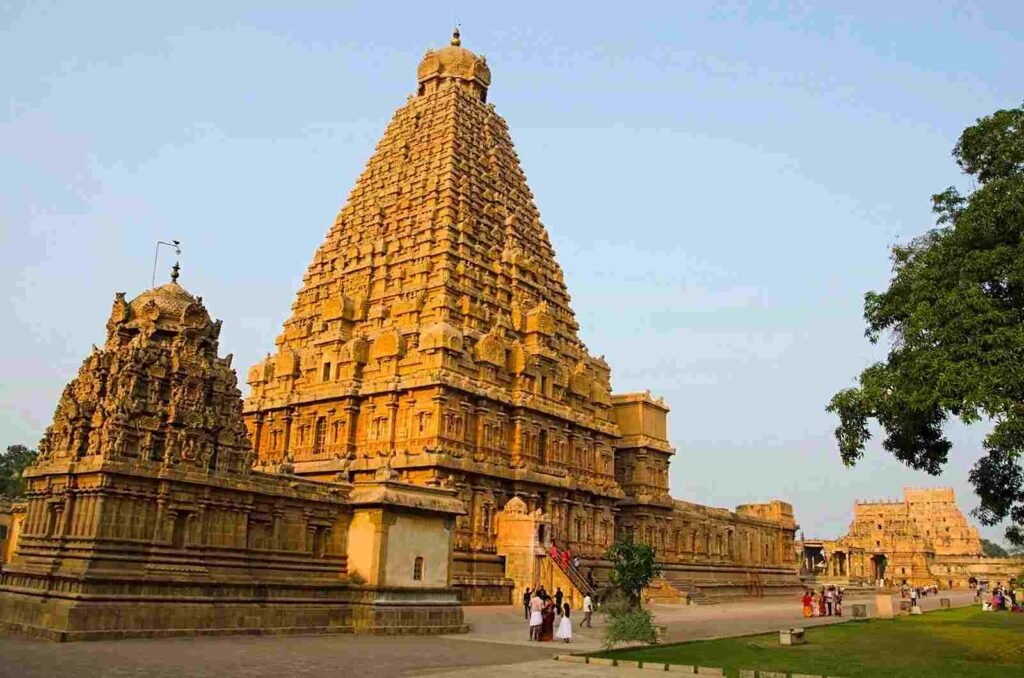
The Brihadeeswarar Temple stands as one of the greatest achievements in Indian temple architecture. Located in the historic city of Thanjavur, this temple is more than just a place of worship—it is a symbol of artistic excellence, devotion, and engineering brilliance.
Even after more than 1000 years, the temple continues to inspire visitors with its grandeur. Therefore, it attracts historians, devotees, and travelers from across the world.
The Story Behind the Temple
The Brihadeeswarar Temple was commissioned by the powerful Chola ruler Raja Raja Chola I during the 11th century. He envisioned a temple that would reflect both spiritual power and royal authority.
Unlike many temples of that time, artisans built this structure entirely using granite. Interestingly, the region around Thanjavur does not have natural granite sources. As a result, workers transported massive stones from distant locations, which shows the scale of planning involved.
Today, the temple proudly holds recognition under the UNESCO World Heritage Site list. Because of this, it is protected as a global cultural treasure.
What Makes the Architecture Extraordinary?
The temple’s design reflects precision, symmetry, and artistic mastery. Moreover, every element serves both a functional and symbolic purpose.
The Majestic Tower
The temple’s vimana rises impressively above the sanctum. Its height dominates the skyline of Thanjavur. Furthermore, the structure is crowned with a single massive stone block, which highlights advanced engineering techniques.
Perfect Proportions
The layout follows strict geometric alignment. Because of this, the temple maintains balance and harmony in its design.
The Giant Nandi
At the entrance, a large Nandi statue greets visitors. Craftsmen carved it from a single rock. In addition, its polished finish adds to its visual appeal.
Artistic Walls
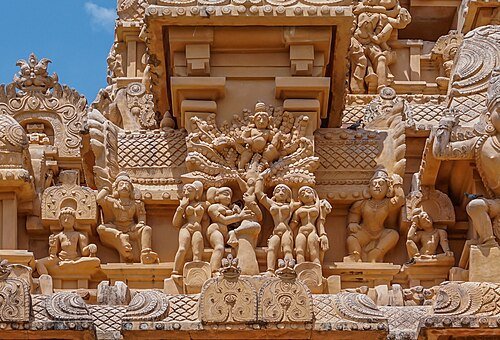
The temple walls tell stories through sculptures and inscriptions. For instance, they depict scenes from mythology, dance forms, and royal life. Therefore, the temple also acts as a historical record.
Spiritual Importance
The temple is dedicated to Lord Shiva, who is worshipped here as Brihadeeswarar. Devotees believe that prayers offered here bring inner strength and clarity.
Inside the sanctum, the Shiva Lingam stands tall, creating a powerful spiritual atmosphere. Additionally, priests conduct rituals daily according to ancient traditions.
During Maha Shivaratri, the temple becomes especially vibrant. Devotees gather in large numbers and participate in night-long worship. As a result, the experience becomes deeply spiritual and memorable.
Celebrations and Rituals
Festivals play an important role in temple life. For example:
- Maha Shivaratri – Grand spiritual gathering
- Arudra Darshan – Dedicated to Lord Shiva
- Navaratri – Cultural and devotional programs
- Special Abhishekams – Regular sacred rituals
During these occasions, the temple reflects the rich traditions of Tamil culture.
Travel Information
Reaching Brihadeeswarar Temple is easy due to good connectivity.
- Nearest Airport: Tiruchirappalli International Airport
- Railway Station: Thanjavur Junction
- Road Access: Well connected by buses and taxis
Therefore, travelers can plan their visit without difficulty.
Timings
- Morning: 6:00 AM – 12:30 PM
- Evening: 4:00 PM – 8:30 PM
However, timings may vary during festivals and special rituals.
Tips for Visitors
To make the most of your visit:
- Arrive early to enjoy a peaceful atmosphere
- Dress modestly as per temple customs
- Follow all temple guidelines
- Avoid restricted photography areas
- Take time to observe the architecture
Why This Temple Should Be on Your List
There are many reasons to explore this temple. Firstly, it represents over a millennium of history. Secondly, it showcases unmatched craftsmanship. Finally, it offers a calm and spiritual environment.
Because of these factors, the Brihadeeswarar Temple remains one of India’s most treasured landmarks.
FAQs
1. What is special about Brihadeeswarar Temple?
It combines history, architecture, and spirituality in one place.
2. Who constructed this temple?
Raja Raja Chola I built it during the Chola period.
3. Is it a UNESCO heritage site?
Yes, it is part of the UNESCO World Heritage Site.
4. When should I visit?
October to March is the best time due to pleasant weather.
5. Is photography allowed?
You can take photos outside, but not inside the sanctum.
6. Is there any entry fee?
No, entry is free for all visitors.
Leave A Comment